Introduction
When the allure of the open road first sparked my interest, I embarked on a journey that led to the purchase of my very first motorcycle. Looking back, that voyage was filled with lessons that can only be learned through real-world experience. To help you avoid the hurdles I faced, here are the essential insights I wish I had known before diving into the world of motorcycling.
1. Understand Your Riding Intentions
I initially picked a bike based purely on looks, overlooking how it was meant to be used. Motorcycles are tools designed for specific tasks:
- Cruisers: For relaxed, low-speed comfort.
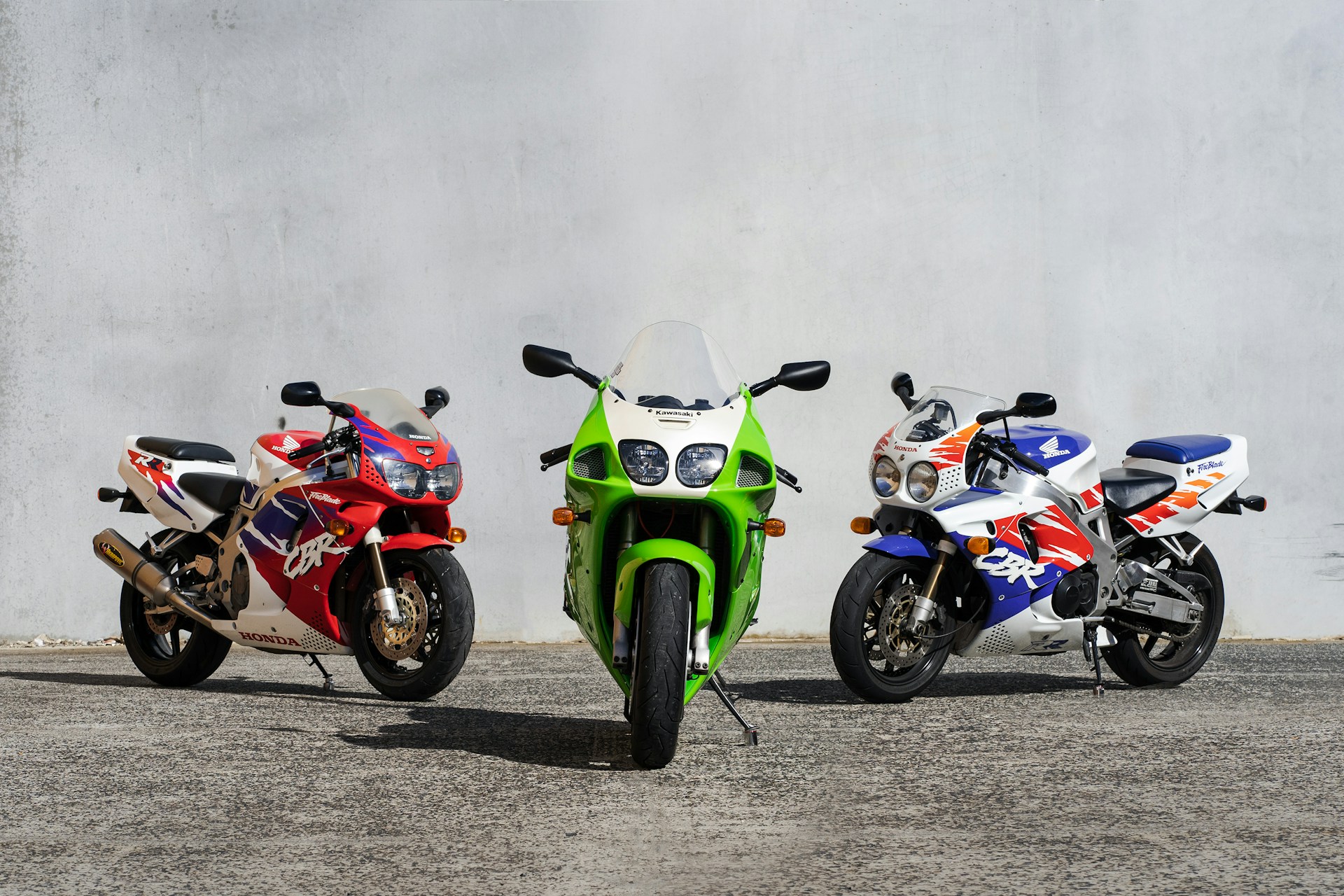
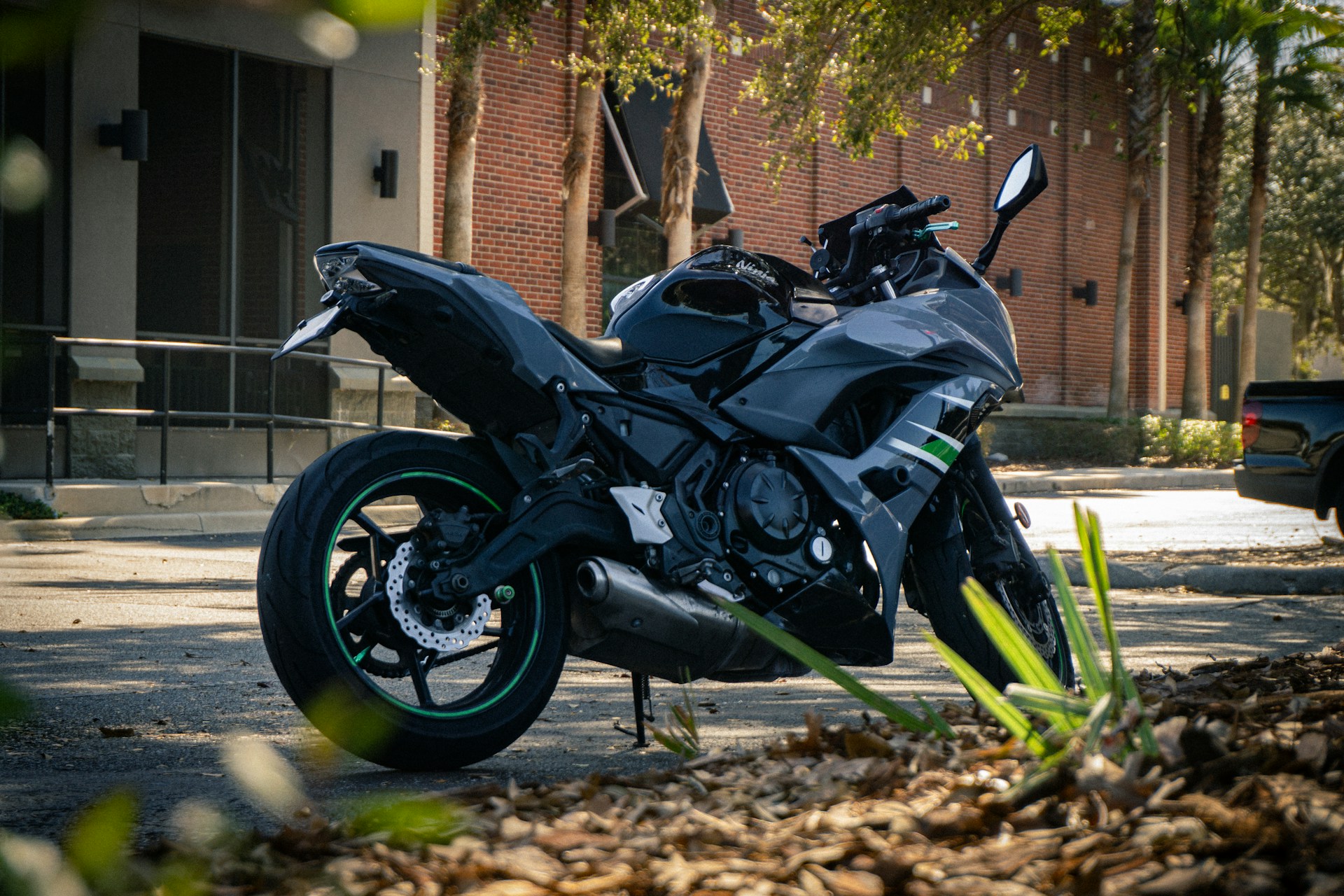
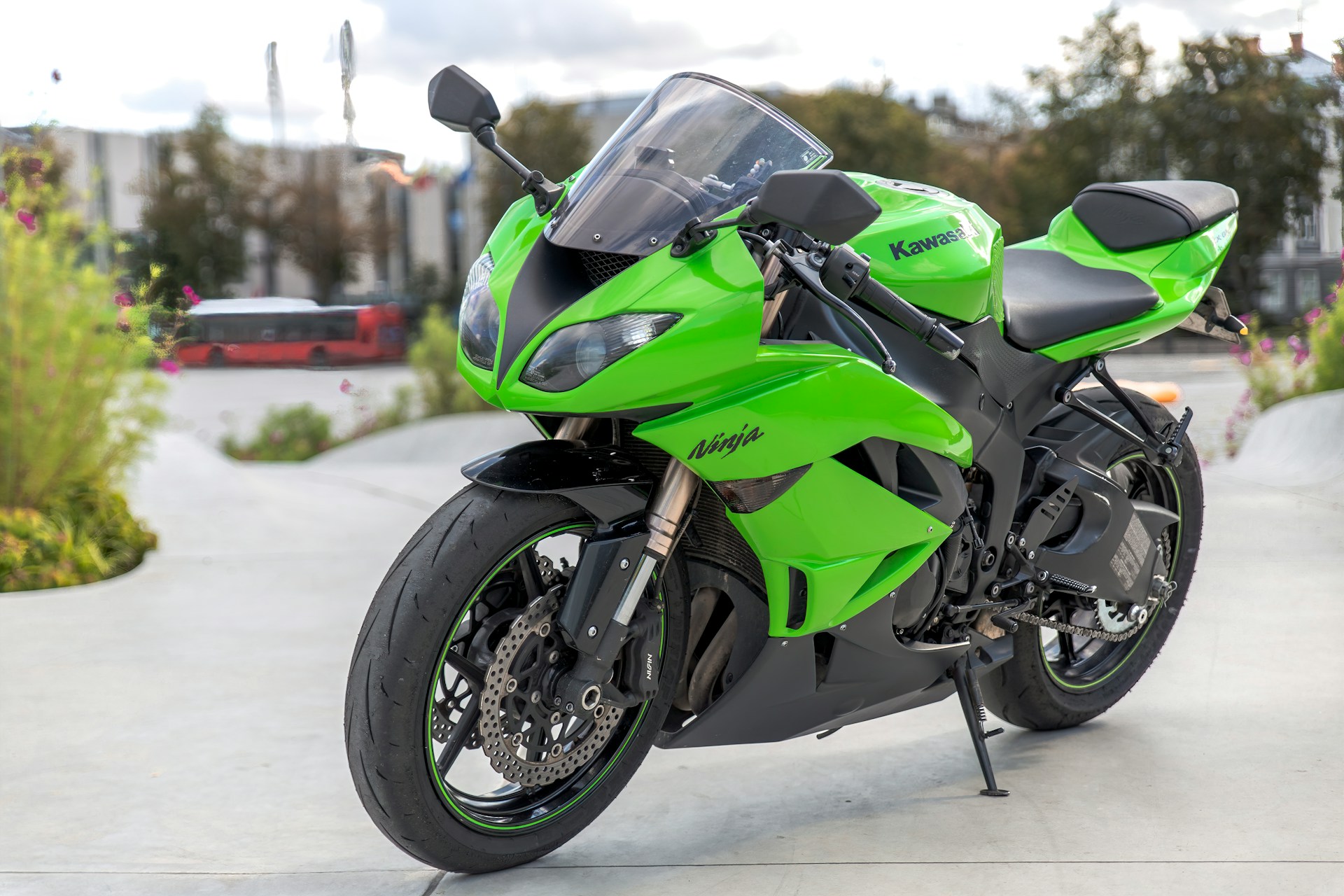
- Sport Bikes: For speed and aggressive handling.
- Dual-Sports: For a mix of pavement and dirt.
- Tourers: For long-distance comfort and luggage. The Lesson: Identify your riding style—commuting, off-roading, or long-distance—before you pick the bike.
2. Training and Licensing are Crucial
I was legally able to buy a bike without a license, but I quickly realized that "legal" doesn't mean "prepared."
- MSF Courses: The Motorcycle Safety Foundation (MSF) provides essential training that you simply cannot get from a manual or a YouTube video.
- The Benefit: These courses teach you the nuances of handling and safety that significantly improve your initial riding experience.
3. Choose the Right Bike Size
I used to think a bigger bike meant a better experience. I was wrong.
- Confidence is Key: A bike is only fun if you can control it. You should be able to touch the ground with both feet comfortably.
- Manageable Weight: Ensure the handlebars are within easy reach and the weight of the bike is manageable for your strength level.
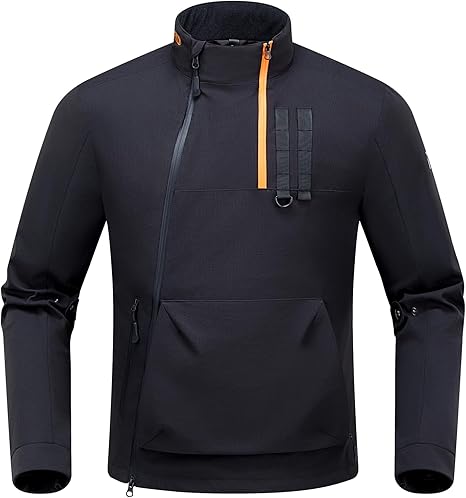
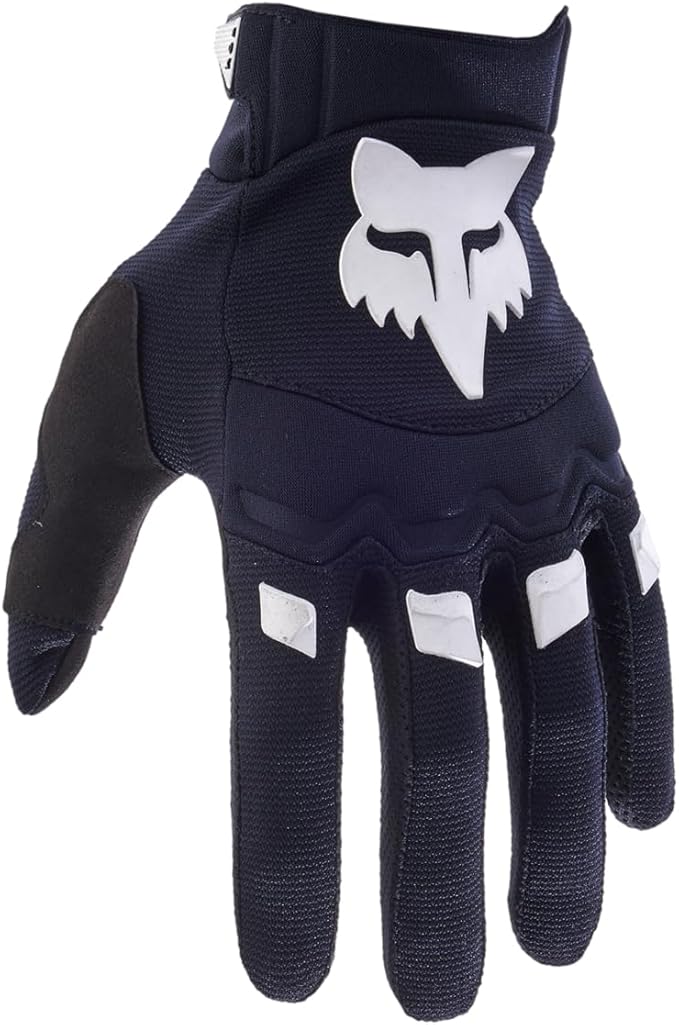
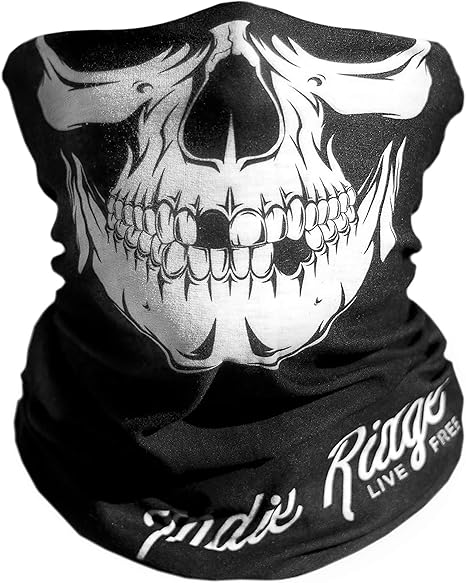
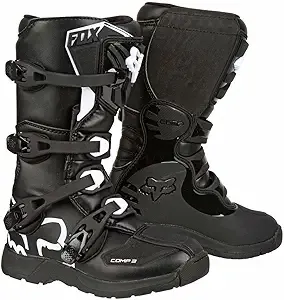
4. Safety Gear is Non-Negotiable
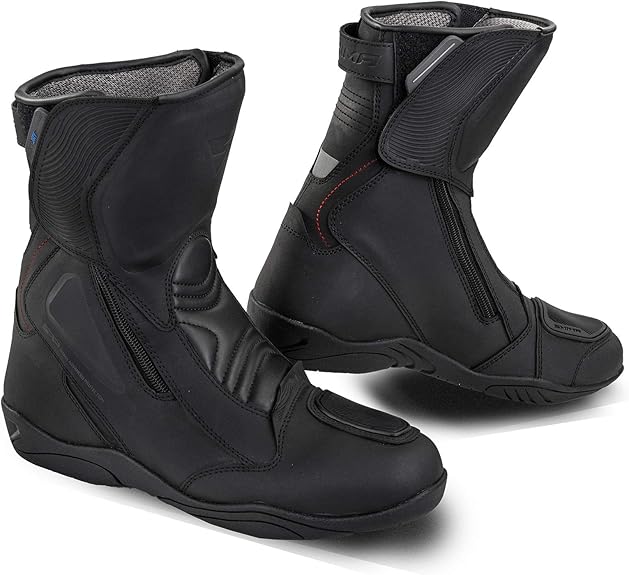
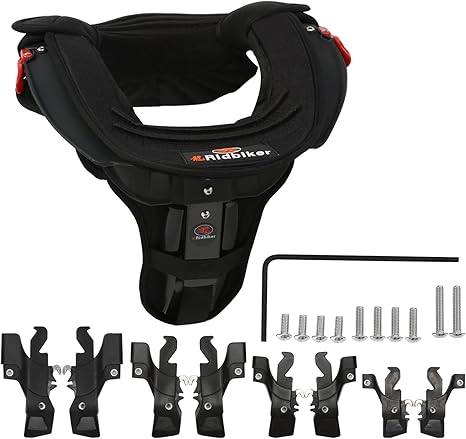
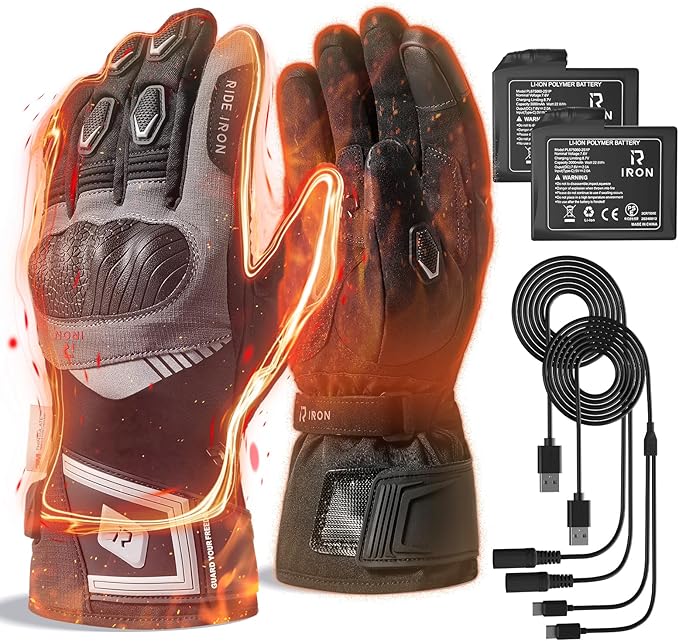
In the beginning, I was more focused on the bike than the gear. I’ve since learned the golden rule: "Dress for the slide, not for the ride."
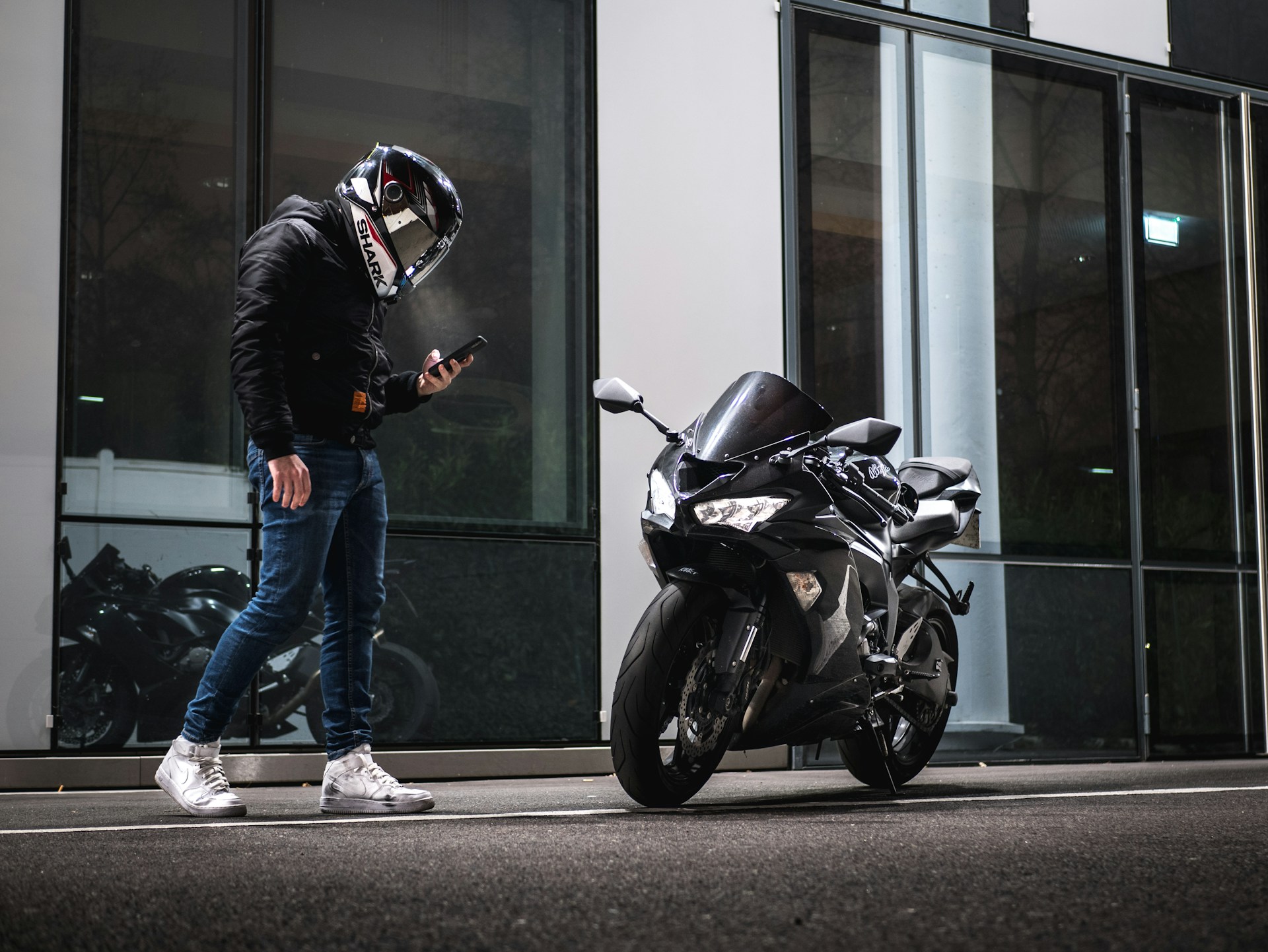
- The Essentials: A high-quality helmet, gloves, jacket, pants, and sturdy boots are your only protection.
- Impact: Comprehensive gear can be the difference between a minor bruise and a life-altering injury.
5. Keeping Up with Maintenance
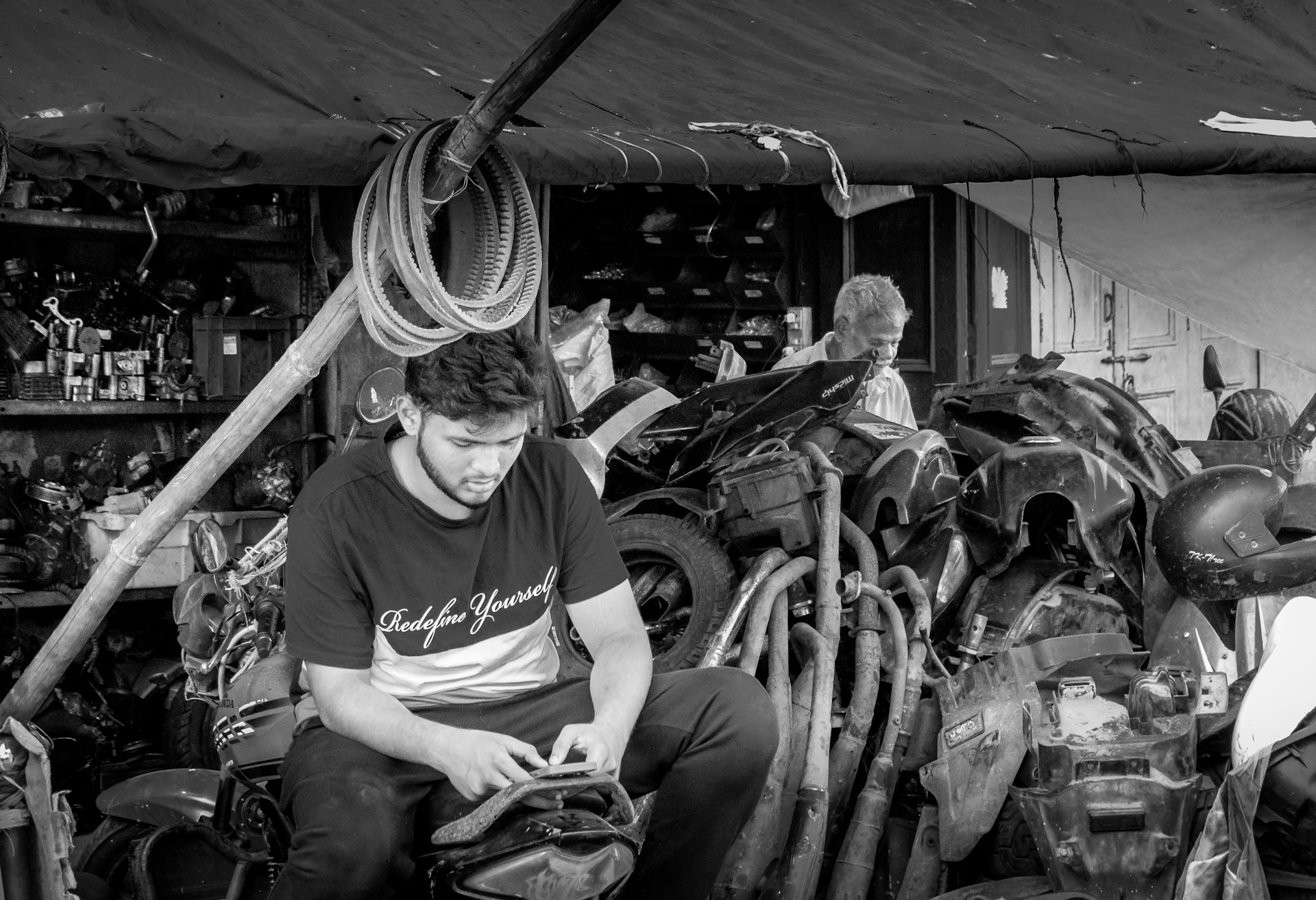
A motorcycle requires much more frequent attention than a car. To ensure optimal performance and safety, you must stay on top of:
- Routine Checks: Regular oil changes, chain tension adjustments, and tire pressure checks.
- Wear and Tear: Monitoring brake pads and tire tread depth to prevent failures on the road.
6. Research Insurance and Registration
I wish I had looked into the "hidden costs" earlier.
- State Requirements: Every region has its own laws regarding insurance coverage and registration fees.
- Financial Protection: Proper insurance protects you against theft, damage, and liability, providing peace of mind during every ride.
7. Embrace the Community
I was initially oblivious to the social side of riding.
- Camaraderie: The motorcycle community is incredibly welcoming. From local riding groups to online forums, the opportunities for networking and shared experiences are endless.
- Networking: Joining a community has become one of my favorite parts of the lifestyle.
Summary Checklist for New Riders
- Identify your style (Commuter vs. Adventurer).
- Sign up for an MSF course before your first solo ride.
- Buy your gear at the same time you buy the bike.
- Start small—you can always upgrade to a bigger bike later.
- Join a local group to learn from experienced riders.
Conclusion
Motorcycling is not just a hobby—it’s a lifestyle. It challenges you, excites you, and changes you. While my journey had its stumbles, the freedom and adrenaline of the open road make it all worth it. As the saying goes: “Four wheels move the body, but two wheels move the soul.”