Introduction
Motorcycles offer a unique thrill—a heady mix of exhilaration and adventure. However, the very essence of that freedom requires a serious commitment to safety. Because motorcyclists lack the protective shell of a car, mastering safety isn't just a suggestion; it’s a life-saving necessity.
1. Training and Licensing: Your Foundation
Motorcycle riding requires a specific set of physics and motor skills that regular driving doesn't cover.
- The Course: Even if not mandated, attend a Motorcycle Safety Foundation (MSF) course.
- The Skills: You will learn critical handling techniques, emergency braking, and the "road etiquette" specific to two wheels.
2. Gear: Your Primary Defense
In an accident, your gear is the only thing between you and the pavement.
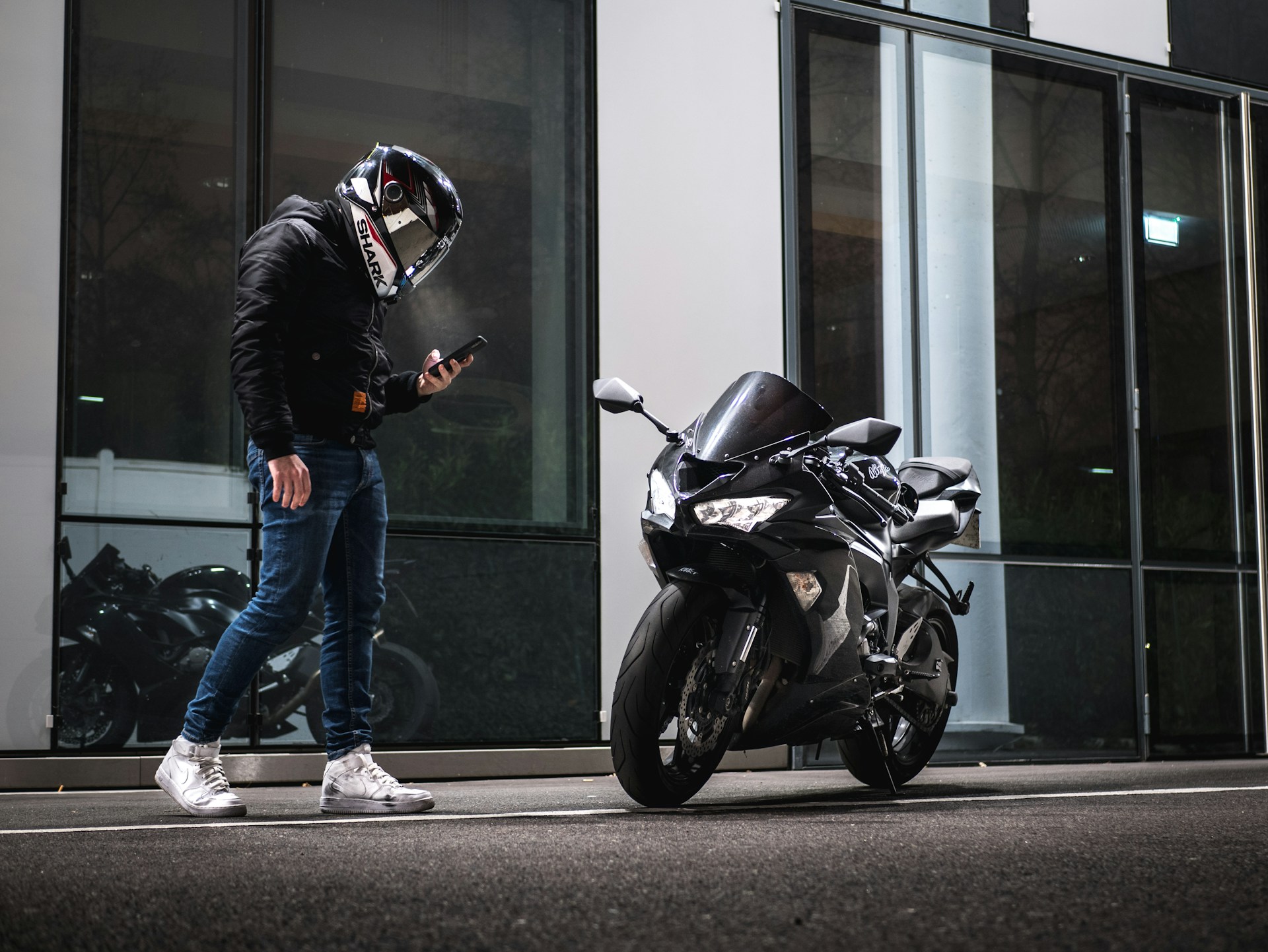
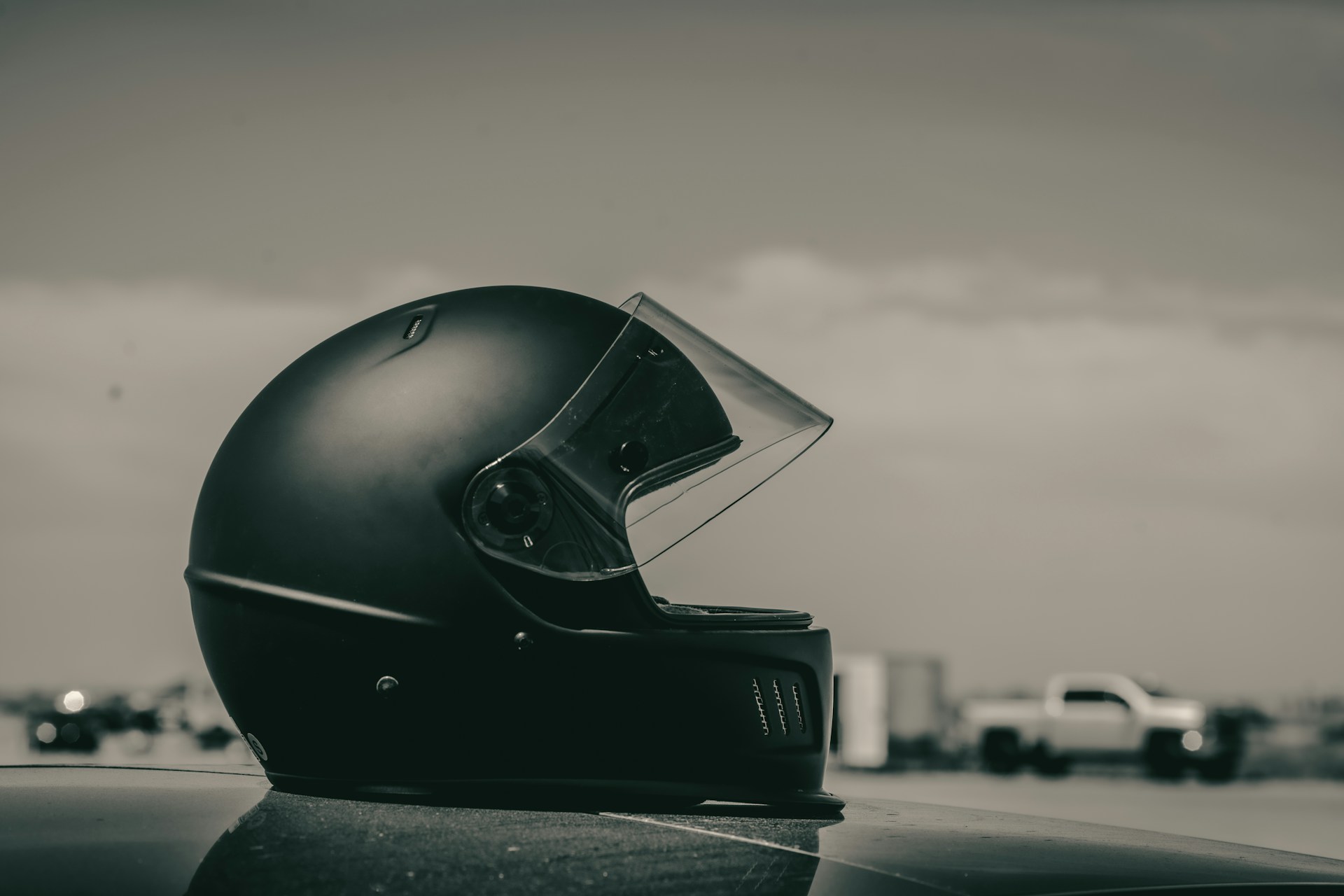
- The Helmet: A full-face, safety-standard-approved helmet is non-negotiable. Statistics show helmets reduce head injury risk by nearly 70%.
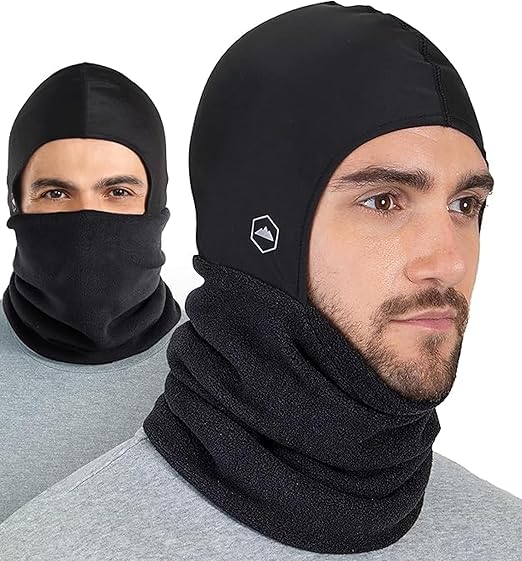
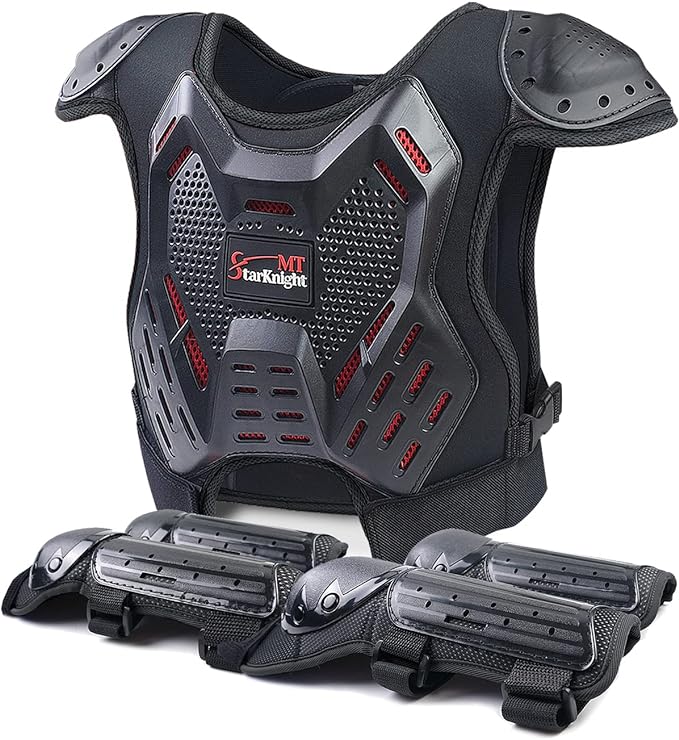
- Abrasion Resistance: Choose leather or high-tech textiles. Look for jackets and pants with CE-rated body armor built into the elbows, shoulders, and knees.
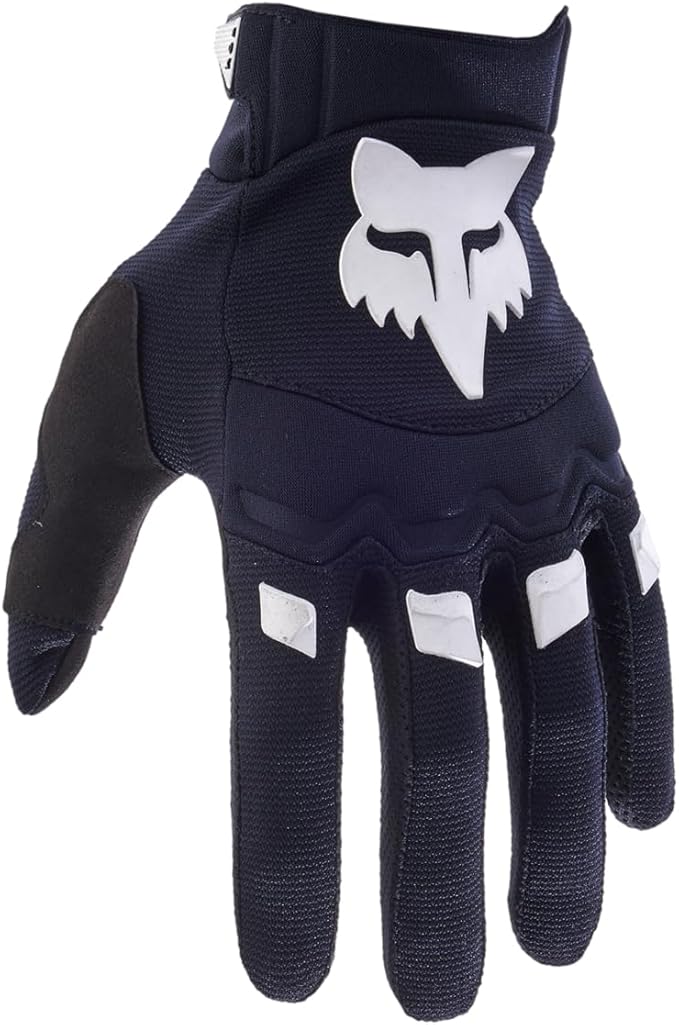
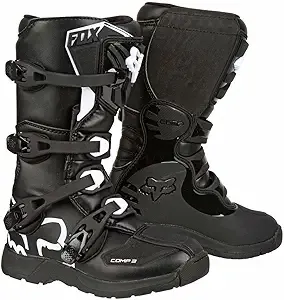
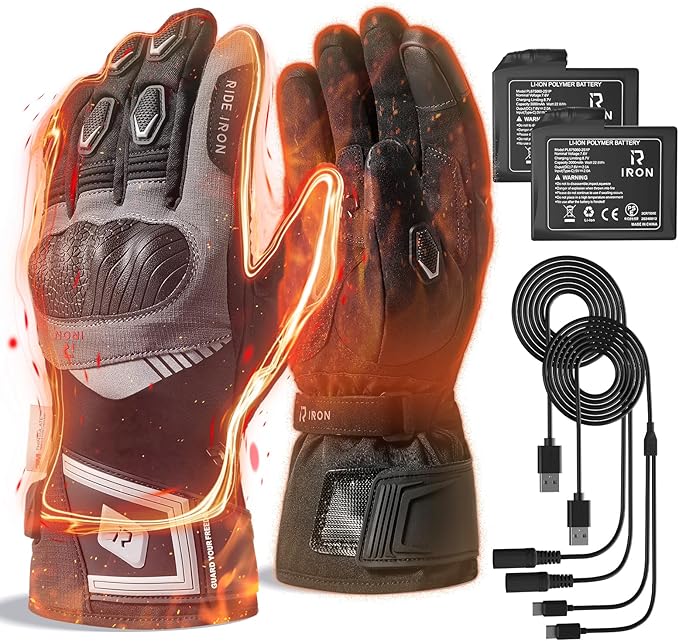
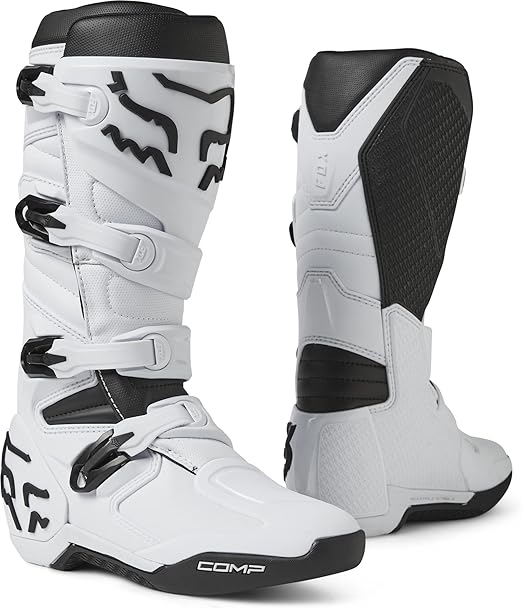
- Hands and Feet: Use motorcycle-specific gloves for grip and protection, and sturdy boots that cover and support the ankles.
3. The Pre-Ride Inspection
Avoid a mechanical failure at highway speeds by spending 60 seconds on a "T-CLOCS" style check:
- Tires: Check for adequate tread depth and correct pressure.
- Lights: Verify that headlights, brake lights, and turn signals are working.
- Controls: Ensure the throttle snaps back and the brakes feel firm.
- Mirrors: Adjust them so you have a clear view of your blind spots.
4. Master the Art of Defensive Riding
On a motorcycle, you must assume you are invisible to other drivers.
- Space Cushion: Maintain a larger following distance than you would in a car.
- Blind Spots: Avoid lingering beside other vehicles; stay where the driver can see you in their mirrors.
- Be Seen: Use your high beams during the day (where legal) and wear high-visibility gear to stand out against the asphalt.
5. Respect the Elements and the Rules
- Traffic Laws: Speed limits and road markings create a predictable environment. Predictability is safety.
- Weather Awareness: Rain, oil slicks, and high winds affect a bike much more than a car. If conditions are poor, slow down and avoid lean angles.
- Sobriety and Rest: Riding requires 100% of your cognitive ability. Fatigue and impairment are leading causes of avoidable crashes.
6. Continued Learning
Riding is a perishable skill. If you’ve taken a break for the winter, your reflexes might be rusty.
- Refresher Courses: Consider advanced rider training every few years.
- Drills: Periodically practice emergency swerves and hard braking in a safe, empty parking lot.
Safety Summary Checklist
- Helmet On? (Full-face, fastened securely)
- Gear Up? (All The Gear, All The Time)
- Bike Checked? (Tires, Lights, Brakes)
- Mind Right? (Sober, rested, and focused)
Conclusion
Safety isn't a mere concept; it is a continuous practice. Adopting these habits may require extra effort at first, but once they become second nature, they contribute to a far more relaxed and enjoyable riding experience. Ride smart, stay visible, and keep the rubber side down.