Introduction
Buying a used motorcycle is a high-stakes scavenger hunt. Done right, you land a dream machine at a fraction of the retail price; done wrong, you inherit someone else's mechanical nightmares. Success in the pre-owned market requires a mix of patience, research, and a keen eye for detail.
Phase 1: Defining Your Mission
Before browsing listings, you must be honest about your riding goals. A bike that looks cool but doesn't fit your life will eventually just collect dust in the garage.
- The Use Case: Are you commuting, touring, or hitting the track?
- The Fit: Consider ergonomics (seat height and reach) and engine size.
- The Skill Level: If you’re a novice, prioritize manageable power over "bragging rights" specs.
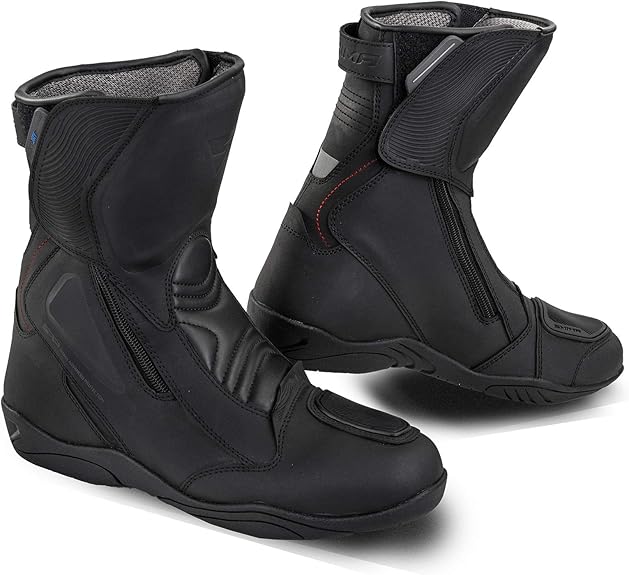
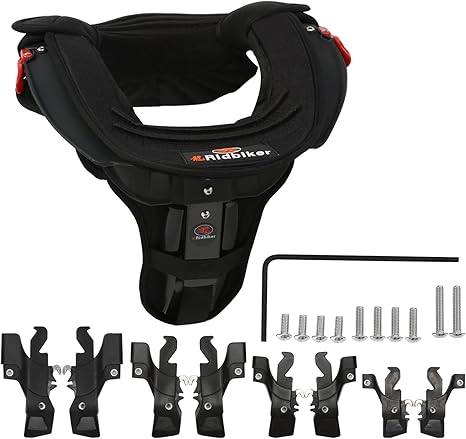
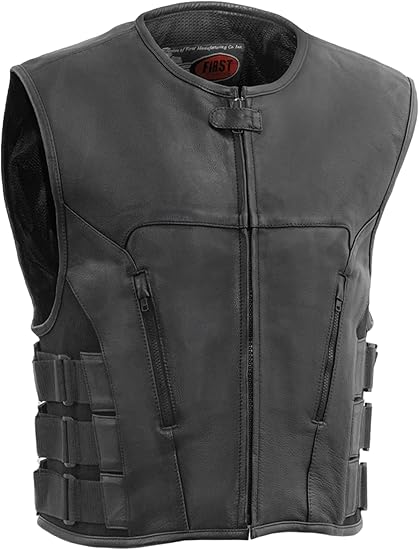
- The Total Cost: Budget for more than just the bike. Factor in registration, immediate maintenance (fluids/tires), and gear.
Phase 2: The Digital Deep Dive
Research is your best defense against "Seller’s Remorse."
- Model Forensics: Use forums and YouTube to find "common gremlins" for specific year models.
- Market Benchmarking: Check multiple platforms (CycleTrader, Marketplace, etc.) to establish a "Fair Market Value."
- History Reports: Use services like VINCheck or CARFAX to verify ownership history and ensure the bike hasn't been written off as a total loss (salvage title).
Phase 3: The Hands-On Inspection
Never buy a bike sight-unseen. If you aren't confident, bring a mechanic friend. Use this checklist:
Component
What to Look For
Cosmetics
Mismatched paint or deep scratches on bar ends/pegs (signs of a crash).
The Chain
Rust, "kinked" links, or sharp "shark fin" teeth on the sprockets.
Tires
Look for "squared off" centers or dry rot (cracking) in the sidewalls.
Electrics
Test every switch: blinkers, high beams, horn, and dash lights.
Fluids
Thick, pitch-black oil or cloudy coolant are red flags for neglect.
Exportar a Hojas de cálculo
Phase 4: The Test Ride
The test ride is where the bike reveals its true character.
- The Cold Start: Touch the engine before they start it. It should be cold. If it’s already warm, the seller might be hiding a difficult starting issue.
- The Feel: Does it pull to one side? Does the transmission "clunk" or shift smoothly?
- The Sound: Listen for cam-chain rattle, exhaust leaks, or metallic knocking.
- The Brakes: Ensure they offer a firm "bite" without pulsing or squealing.
Phase 5: Closing the Deal
- Negotiation: Use the faults you found during inspection (e.g., "The tires have one season left") to justify a lower offer.
- The Paperwork: Verify the VIN on the frame matches the Title exactly. Ensure the Title is signed by the person standing in front of you.
- Walk Away Power: If the vibe is off or the paperwork is messy, walk away. There is always another bike.
Conclusion
Finding the perfect used motorcycle is a process of elimination. By following these steps—researching, inspecting, and testing—you turn a gamble into a calculated investment. The effort you put in now ensures that your only focus later is the joy of the open road.