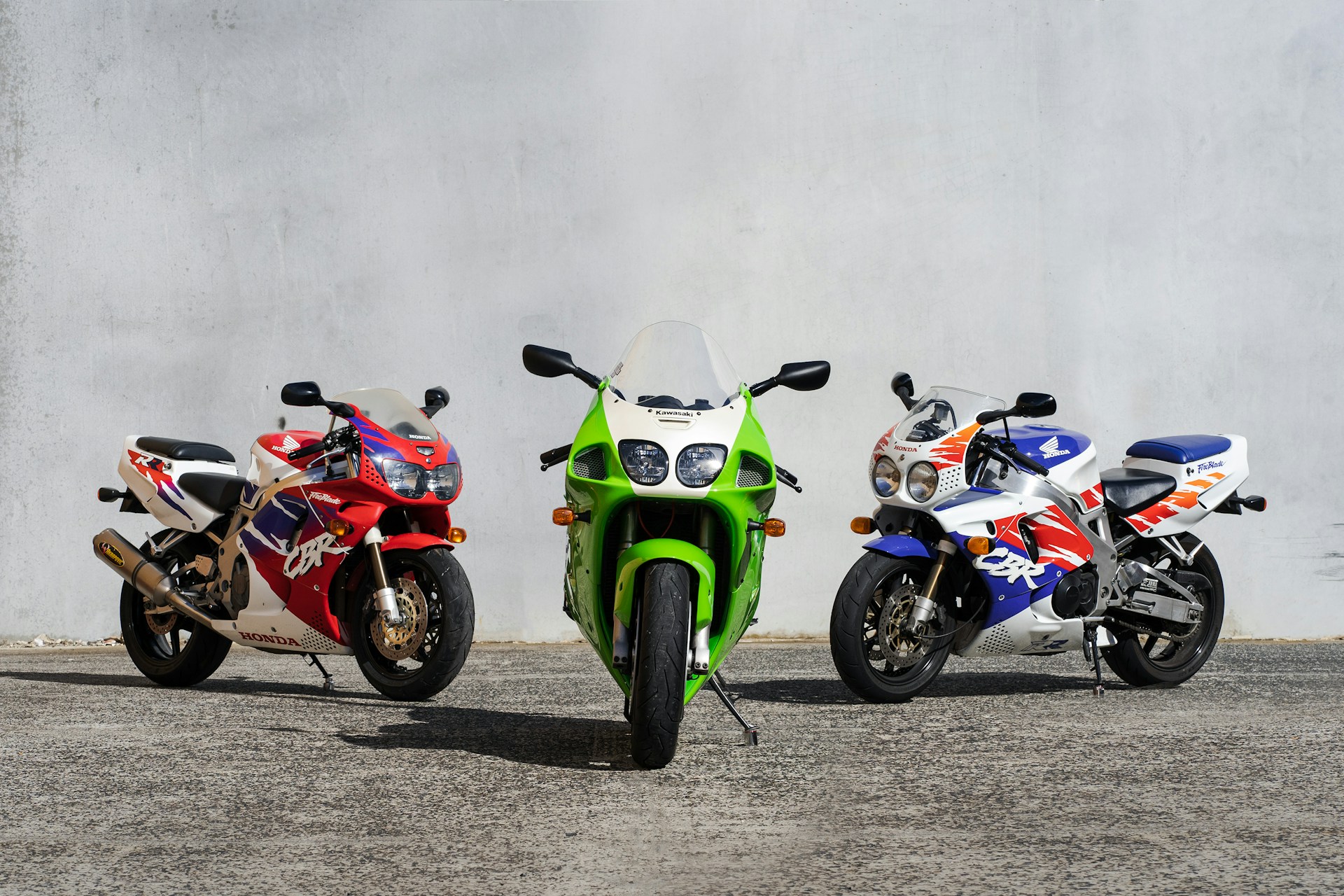
BRUSSELS — The "grace period" for the motorcycle industry has officially expired. As of February 2026, the final transition window for the Euro 5+ (also known as Euro 5b) emissions standard has closed, triggering a silent mass-discontinuation of some of the world’s most beloved internal combustion platforms.
Across Europe and in tightening markets like Japan, dealers are clearing the last remaining "non-plus" stock, marking the end of the line for air-cooled engine architectures that have defined brands for decades.
The "+" Factor: It’s Not About the Tailpipe
Unlike previous Euro 5 updates, which focused on reducing the volume of pollutants, Euro 5+ targets durability and real-world monitoring. The regulation introduces three key hurdles that have proven fatal for older engine designs:
- Catalytic Monitoring (OBD II Level 2): Motorcycles must now feature an extra O2 sensor after the catalytic converter to monitor its efficiency in real-time. If the ECU detects the catalyst is degrading over time, it must trigger a warning or "limp mode."
- Mathematical Deterioration Factors (DF) Removed: Manufacturers can no longer simply calculate how an engine will wear. They must now perform 35,000 km of real-world durability testing for high-performance models.
- Anti-Tamper Sophistication: New ECUs are harder than ever to "flash" or modify, making aftermarket exhaust and fueling changes nearly impossible without triggering a permanent check-engine light.
The Casualties: A "Who’s Who" of Heritage
While liquid-cooled engines can manage the high temperatures required to keep a catalytic converter efficient over its lifespan, air-cooled engines struggle with the thermal consistency needed for Euro 5+.
Major manufacturers have quietly confirmed they will not spend the R&D capital to update aging platforms. Recent casualties include:
- Suzuki SV650: After a legendary 27-year run, the V-twin workhorse has officially exited the European market, replaced by the parallel-twin 800 series. (Note: It remains on life support in the U.S. market for now).
- Kawasaki W800: The quintessential retro-classic has been flagged as non-compliant, with no 2026 replacement in sight for the EU.
- BMW R nineT Heritage Line: While the new R 12 models carry the torch, several older air-cooled variants have been phased out.
- Harley-Davidson Sportster 883/1200: The "Evolution" engine, a staple of the Milwaukee brand since 1986, is now officially restricted to North American sales as it fails the new EU noise and OBD II durability thresholds.
Market Analysis: The "Island of Misfit Motorcycles"
The regulatory divide is creating a bifurcated market. Analysts are calling the United States the "Island of Misfit Motorcycles," as Japanese and European OEMs offload their non-compliant, air-cooled inventory to American buyers where EPA regulations remain significantly more relaxed for motorcycles.
"We are seeing a sunset of the 'analog' era," says industry analyst Marc Fontan. "For the rider, Euro 5+ means bikes that are quieter, heavier due to larger exhaust assemblies, and significantly more difficult to customize. The bikes are cleaner, yes, but for many, they are losing that raw character that air-cooled engines provided."