TOKYO — In a move signaling a definitive shift from strategic planning to industrial execution, Honda Motor Co. has announced a sweeping organizational overhaul effective April 1, 2026. The restructuring marks the end of "siloed" development, as the Japanese giant officially merges its Internal Combustion Engine (ICE) and Electrification divisions into a single, unified operational framework.
The Strategy: Dissolving the Silos
Since 2020, Honda has operated its electric vehicle (EV) research and traditional engine development as separate entities to allow the nascent EV branch to find its footing. However, leadership now argues that this separation is an obstacle to speed. By integrating sales, business strategy, and product development functions, Honda aims to:
- Optimize Resource Allocation: Redirecting engineering talent and capital more fluidly between platforms.
- Streamline R&D: Consolidating software-defined vehicle (SDV) functions and future tech research back into the core Honda R&D Co. subsidiary to ensure a "single integrated flow" from concept to showroom.
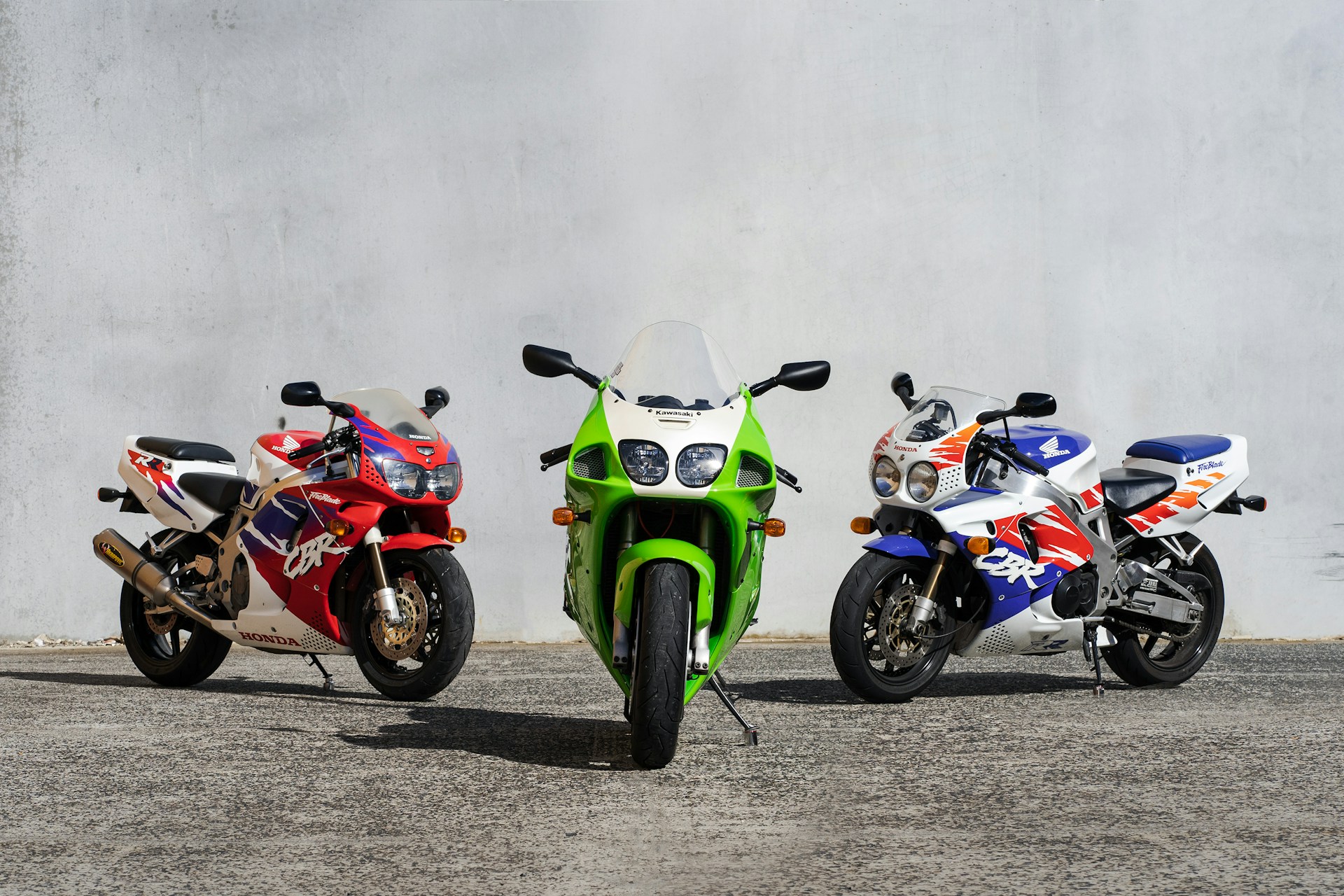
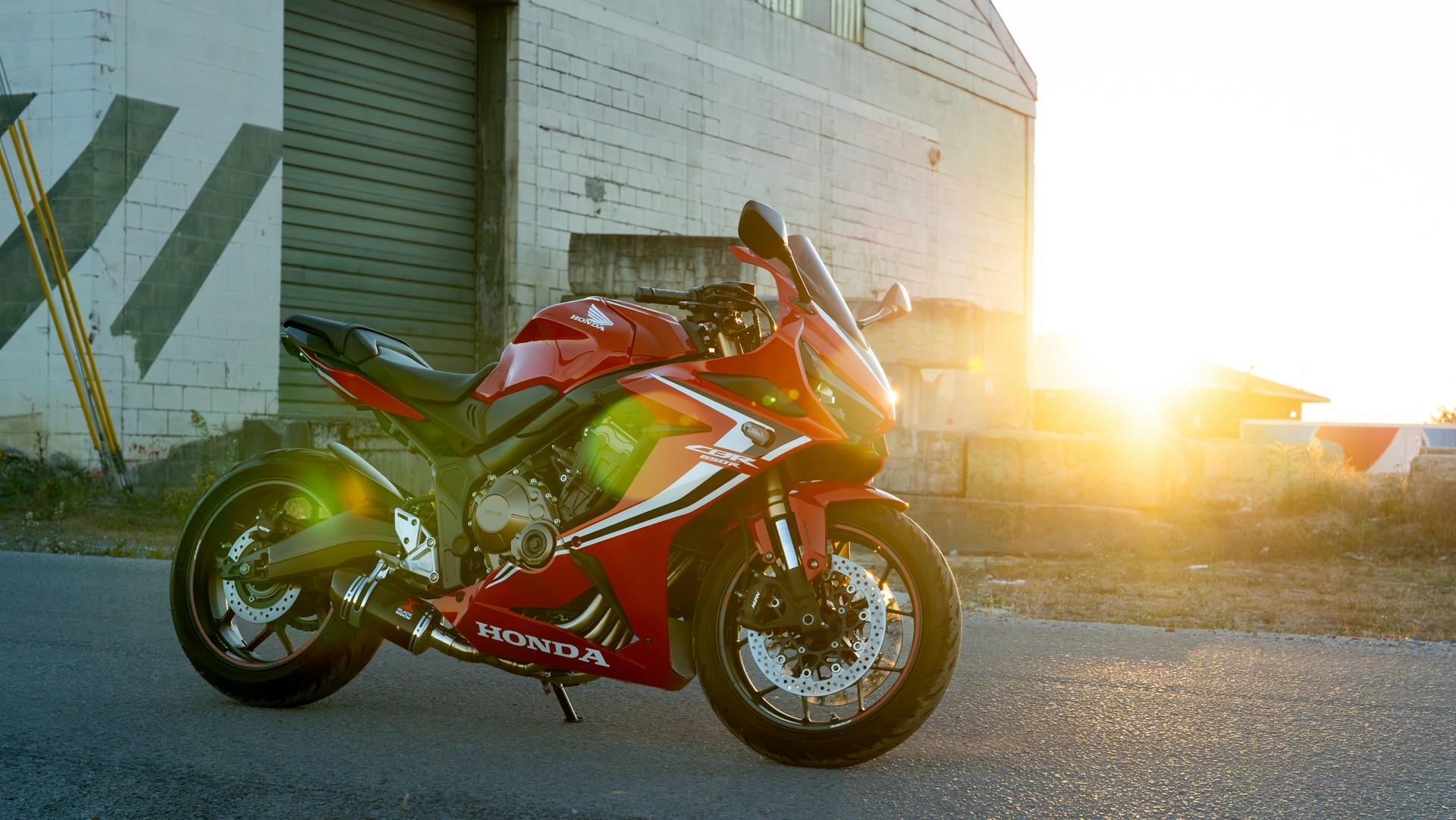
- Enhance Profitability: Leveraging the high margins of its thriving motorcycle business—which expects to deliver over 21 million units this fiscal year—to subsidize the heavy capital expenditure required for the next generation of EVs.
The "Execution Stage"
"The electrification strategy has transitioned into the execution stage," the company stated in its February 2026 briefing. This isn't just about eco-consciousness; it’s a defensive maneuver against "fast-moving" global competitors. By integrating these divisions, Honda expects to cut production costs for electric models by as much as 35% by 2030, largely through parts modularization and shared manufacturing processes with its ICE counterparts.
Impact on the Rider
For the enthusiast, this reorg suggests a "hybrid" future in more ways than one. Honda is not abandoning the internal combustion engine; rather, it is treating ICE as a "core strength" that will fund and eventually coexist with a planned rollout of 30 global electric models by 2030.
The move confirms that Honda sees the future not as a binary choice between gas and electric, but as a unified "mobility business" where technology—whether it's an analog AI chip or a solid-state battery—is shared across every machine that wears the Wing logo.